This past week has been turbulent and consistently inconsistent related to my Porphyria management. I remain in forward motion trying to get beyond this state of "increased activity" but seem to be having some trouble.
These "colicky" episodes are not unfamiliar to me... sometimes a "spell" can linger for weeks or months before I feel consistently well again.
What happens when these periods come...
I have some energy in the morning so I do normal life/family things...then I crash a few hours later...feeling like I haven't slept in a month...my limbs feel like they weigh 500 pounds each...I drop everything I pick up and if I don't eat A LOT of carbs I get VERY irritable, intolerant of everything... then more nausea, pain, etc. ... I try very hard to eat the carbs.
The carbs do help calm my porphyria, but they don't take it away.
I have been trying to keep a gluten-free/dairy-free diet because I feel SO much better when I do (a lot less GI issues and a lot less joint pain/headaches). The problem with keeping this sort of diet is planning ahead and stocking the pantry with "Good Carbs". When I haven't been disciplined enough to plan ahead the "Good Carb" pantry is bare and "Bad Carbs" are readily available. I find myself eating processed foods, pastas, breads, icecream...anything to calm the internal roar of my "Porphyria Beast"... the result is initially positive with a Big "backfire".
So today I am trying to get back on track from yesterday, when I ate enough "bad carbs" and dairy to support a small village for three days!
Let's not even talk about my once (now doubled) size 6 figure...I do miss that, and am forever trying to get back into those jeans I keep in the back of my closet.
My husband believes that exercise cures all, and as a nurse I know that consistent physical exercise is key to a healthy lifestyle. During my "good stretches" I try very hard to exercise on a regular basis, but when the volume is turned up on my porphyria I struggle to exercise. There have been times that I try to "push through it...be tough"... I get on my elliptical trainer and either my legs and feet go completely numb or I can't expand my lungs to breath, or both...VERY scary! Not the same as being unfit... because on any other non-porphyria day I can do an hour at hard levels without issue.
The Key Elements of My Porphyria Disease Management are:
1. Educating myself about my Porphyria and understanding how my body works
2. Adjusting my lifestyle to optimize well being
3. Making Peace with, "The Cards I Have Been Dealt"
4. Asking God to "hold my hand" mentally when the "ride" gets scary
I have had an extended "good" phase that lasted almost all summer, for that I am so grateful. Now that Porphyria's volume has turned up again... I am writing again...using writing as a coping tool with the goal of helping others... I am going to church again...sadly I seem to get "too busy" during my "good phases" to do the things that mean the most to me... what irony!
Monday, September 20, 2010

Daily Post
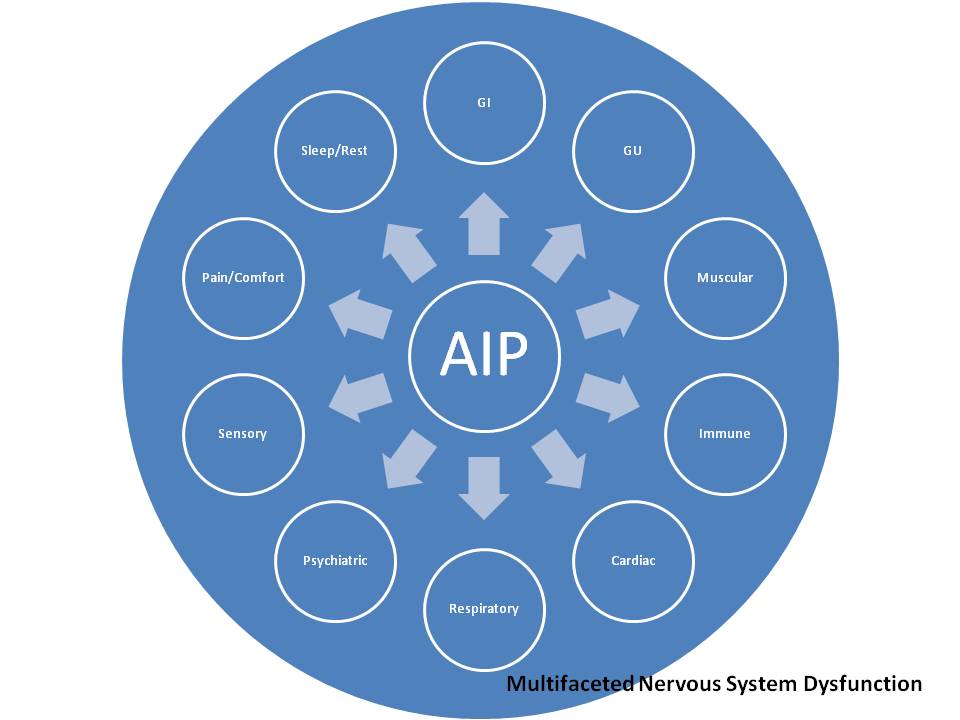
Neuropathies (central, autonomic and peripheral)- chronic heels (can't stand to let them touch the bed at night, hard to walk on sometimes...irritable)
GI- BM (no problems)
GU- no problems
Muscular- weak, "heavy feeling limbs", activity intolerance
Immune- seasonal allergies/ "hay fever" (sinus congestion, sneezing, itchy eyes)
Cardiac- orthostatic hypotension (unable to stand during church/mass d/t extreme light-headedness)
Respiratory- no problems
Psychiatric- calm, no problems
Sensory- chronic light sensitivity to eyes
Pain/Comfort- Intermittent shooting R lower leg 6/10
Sleep/Rest- Very tired/sleepy
Self-Propelled Disease Management: see today's narrative note
Sunday, September 19, 2010
Daily AIP Blog

Neuropathies (central, autonomic and peripheral)- both heels
GI- chronic mild nausea, increased gas (after eating wheat/gluten), no BM
GU- dark urine (mild tea color)
Muscular- exercise intolerant, weak, tires easily, hard to lift
Immune- seasonal allergies ("hay-fever")
Cardiac- no problems
Respiratory- no problems
Psychiatric- no problems, calm, tired
Sensory- eyes sensitive to light (mild)
Pain/Comfort- intermittent shooting pain with dull ache background (R lower leg & between shoulders/down spine)
Sleep/Rest- little rest (busy day), overnight sleep was good
Self-Propelled Disease Management: carbohydrate maintenance, self awareness (blog expression)
Saturday, September 18, 2010
First 24 hours

Neuropathies (central, autonomic and peripheral)- Heart, Heels, R Lower Leg
GI- Chronic Mild Nausea
GU- Dark Urine
Muscular- Weak
Immune- Seasonal Allergies
Cardiac- Occassional Palpitations/ Racing
Respiratory- No Problems
Psychiatric- Vulnerable, Slight Fuzzy Thinking, Pretty Good
Sensory- Eye Pain R/T light
Pain/Comfort- Intermittent Right Lower Leg (shooting/aching 10 out of 10)
Sleep/Rest- Poor, Insomnia (trouble falling/staying asleep)
Self-Propelled Disease Management: New Rx: Shaded Progressive Lense Eye Glasses, Ativan QHS to assist with sleep
Friday, September 17, 2010
Real-Time Life w/AIP Posting Template

Neuropathies (central, autonomic and peripheral)
GI
GU
Muscular
Immune
Cardiac
Respiratory
Psychiatric
Sensory
Pain/Comfort
Sleep/Rest
Self-Propelled Disease Management: (free text)
Thursday, September 16, 2010
Real-Time Life w/AIP
As initially proposed, "the blog plan" is to go "real" starting tomorrow... September 17, 2010, the 2 year anniversary of my official AIP diagnosis. As life would have it (and as the nature of the disease process goes) I found myself hospitalized the night before last due to an acute attack.
As previously shared, I spend my every day life as a Nurse Care Manager and Health Educator. I manage my own disease and direct my educational goals with my, "professional" eye.
However...
As I lay awake to the high pitched squeeeeak of my IV infusion pump my thoughts slowly and gratefully cleared.
I began to evaluate the situation from the patient perspective...
- How scary it is that my health care providers know so little about my disease process...
- How my heart would race then flip/flop like a fish out of water...
- How terrified I felt earlier that day when I could not understand ordinary words, how to use my cell phone to find a number, or remember how a commode flushes...
- How I went without food/ disease essential carb-loading from 10am til 8pm... (because dietary staff do not understand the connection between AIP and carbohydrates)
- My Health care providers were very kind, and provided excellent care within their current knowledge base...
- I have no desire to offend or alienate my caregivers in my time of need... their collaboration is vital to my recovery!
Now the day after discharge I am at home, the house is quiet and I am reflecting on my recent experiences. I try to learn from every life experience. How can I improve things for the next time? My next time or any one's next time...
My intervention was to outline and post "AIP Nursing/ Healthcare Provider Essentials". I will offer a print copy to each of my doctors and to the nurses on the unit I stay on in the hospital. To improve my future treatment even further, I will carry a printed copy with me in my shoulder bag and keep a copy in my automobile with the rest of my "Emergency AIP Information".
My Goal:
By providing direct information in an easy to follow format health care professionals are empowered to gain comprehensive insight into understanding AIP assessment and treatment creating optimal patient outcomes.
AIP Nursing/ Healthcare Provider Essentials
Potential for Altered Functioning due to
HMB- Synthase(Porphobilinogen- deaminase) Deficiency
Blood
Risk for Hypercholesterolemia
Risk for Adult onset IDDM
Risk for Menstrual Cycle Luteal Phase Acute Porphyria Attack
Risk for Primary Hepatocellular Carcinoma
Liver
Kidney function R/T AIP (porphyrin/precursor accumulation/excretion)
Potential for Altered Functioning due to
PBG & ALA accumulation and related Neuro-Toxic effects
(Axonal Myelin Sheath Changes- Polyaxonal Motor Neuropathy)
Sensory (vision, hearing, touch, taste & smell) perception
Neuropathies (central, autonomic and peripheral)
Cognitive Ability (Confusion, Poor Word Recall, etc.)
Psychiatric Stability (Hallucination, Anxiety, Depression, Emotionally Unstable, etc.)
Paralysis
Neuro-Cardio ( Irregular/Ineffective Heart Rhythms)
Symptomatic Cardiovascular Autonomic Dysfunction/ Neuropathy
HTN
Respiratory Insufficiency/Paralysis
Endocrine
GI Insufficiency
Vitamin and mineral nutrient metabolism/ storage
Bowel (constipation/ diarrhea)
Nausea and Vomiting
Urinary System (altered voiding abilities, frequent UTI, etc)
Exercise Intolerance
Neuromuscular Ability
Neuro-Immune
Pain
Insomnia
Restlessness
Generalized Irritability
Nonspecific Sense of Discomfort
Increased Sense of “Overwhelming”
Oxidation and Oxidative Stress creating an Increased Risk of Disease
Assessments & Interventions
(Evaluate/Address Essential Life Functions FIRST followed by all others)
Confirm Medical Diagnosis AIP
Discontinue all AIP triggers (including unsafe medications)
Start IV Glucose
Provide IV Panhematin as directed
Provide safe pain control
Initial Diagnostic Tests, if patient has not been officially diagnosed with AIP (24hr urine for ALA & PBG, Blood, Stool, Genetic Confirmation)
AIP Rapid Test
CBC
Nervous System Assessment/Testing
Sensory Function Testing (vision, hearing, taste, touch, smell)
Blood Work to determine vitamin and mineral levels
Assess Cognitive Changes
Liver Function Testing/ Imaging
Evaluation: Cholesterol Level
Peripheral Pain/ Tingling/ Numbness Evaluation
Evaluation: Cognitive Changes/ Confusion
Evaluation: Paralysis
Assess for signs and symptoms of Cardiovascular Autonomic Dysfunction/ Neuropathy * Provide further Cardiac Intervention as appropriate
24 hour Halter Monitor/ Cardiac Telemetry
Evaluation: Rapid Heart Beat/ Tachycardia
Evaluation: Irregular Heart Rhythms/ Palpitations
Evaluation: High Blood Pressure
Assess Orthostatic Hypotension
Cardiac Evaluation/ Functioning
Evaluation: “Heavy Chest Breathing”
Evaluation: Difficulty Breathing/ Shallow Breathing
Assess Respiratory Autonomic Dysfunction via Direct Observation (i.e. changes in depth)/Auscultation and Consistent Assessment of Incentive Spirometer (sustained maximal inspiration, SMI) Ability *Provide Mechanical Ventilation when appropriate
Assess Pulse Ox Reading
Pain Evaluation
Evaluation: Nausea/Vomiting
Evaluation: Neuro-Psych/ Mental Health Changes
Evaluation: Irregular Voiding Patterns/ Pain With Urination/ Low Back Pain
Evaluation: Dark Discolored Urine
Urine Culture & Sensitivity
Urinary Analysis
Kidney Function Testing
Patient Education S/S UTI, UTI Prevention Strategies, UTI Treatment Strategies (No Sulfa Drugs)
Urinalysis Dip Sticks for home use
Neuro-Muscular Testing/ Evaluation
Muscle Weakness/ heavy feeling
Evaluation: Numbness/ Tingling/ Paralysis
Recommend: Quality Sleep/ Rest
Recommend; Quality organic foods high in anti-oxidants
Recommend: Sweat- to expel toxins and reduce liver workload
Recommend: Full Spectrum Lights In Winter
Recommend: Shaded Eye Wear R/T Light Sensitivity
Recommend: Quality Stress Management
Recommend: Daily Non-impact Exercise as Tolerated
Monitor Frequency and duration of bacterial, viral and other illnesses to determine immune deficiencies
Assess Insomnia
Assess Restlessness
Assess Generalized Irritability
Assess Nonspecific Sense of Discomfort
Evaluation: Pain Scale
Sleep Study
Assess Increased Emotional Instability
Assess Increased Sense of Overwhelming
Provide Calm/Reassuring AIP Knowledgeable Professional Intervention
Provide/ Recommend Low sensory stimuli environment
Teach patient to keep copies of AIP diagnosis medical confirmation letter in their automobile and in their shoulder bag at all times. (for emergency situations)
Teach patient to keep copies of basic medically approved/authored AIP disease and treatment information in their automobile and in their shoulder bag at all times. (for emergency situations)
Teach patient to wear a medical alert bracelet at all times to help speed proper emergency treatment when necessary.
Teach patient to track menstrual cycle, note luteal phase can trigger acute episodes.
Develop a specific “Neuro-toxic signs and symptoms check list” prior to physically assessing patient, as pt responses may seem vague and disconnected to the inexperienced Porphyria Healthcare Provider (Know what to look for).
Non-Porphogenic Medications & Supplements as determined by individual situation
(*ALWAYS check APF Drug Database to ensure safety!)
Maintain Appropriate Carbohydrate Intake
Magnesium
B-12
Fish Oil
Vitamin and Mineral Supplements as determined by noted deficiencies
Ativan
Phenergan (promethazine)
Naproxen
Neurontin (gabapentin)
IV Glucose (non-corn-based is better for some)
IV Panhematin via Central Line
Beta Blockers
Avoid Chemical Birth Control (Use Physical Barriers)
Lupron injections to Suppress Hormone Cycle and reduce frequency of Luteal Phase AIP attacks (or permanent surgical alternatives)
Maintain Adequate Hydration
Pain Medication/ IV Morphine
Pure Cranberry Supplements (discouraging bacteria growth during neurogenic bladder episodes)
Helpful Lifestyle Recommendations:
Written Disease Management Plan, Designed via Physician and Patient collaboration
Full Spectrum Lights
Farinfared Sauna to sweat out toxins
Elliptical Exercise Machine for non-impact exercise
Yoga
Weighted Sensory Blanket
Shaded Eyewear
Natural Heating/Cooling Pad
Scent-free organic products
Water Analysis (Identify water quality)
Water Filter/ Purification System (Reverse Osmosis)
Air Filter/ Purification System (UV/Carbon/Hepa- Triple Combination in one machine)
Home environment Soil testing (Identify quality/ toxins)
Consider an organic, gluten-free, bovine-dairy-free diet full of fresh whole foods (non-processed)
Necessary Education:
Acute Intermittent Porphyria (AIP)
AIP Triggers
Multiple Chemical Sensitivity- Lifestyle Choices/ Environmental Set Up
Natural/Nonchemical Sensory Dysfunction Treatments
Neurologic System Function/Dysfunction
Self Propelled Effective Disease Management
Subscribe to:
Posts (Atom)